
Owner-assist and second-pilot support for selected aircraft moves
AFS reviews selected owner-assist and second-pilot support requests when an aircraft movement benefits from additional planning structure, pilot coordination, route review, or in-flight support aligned with the aircraft, insurance, route, timing, and ownership situation.
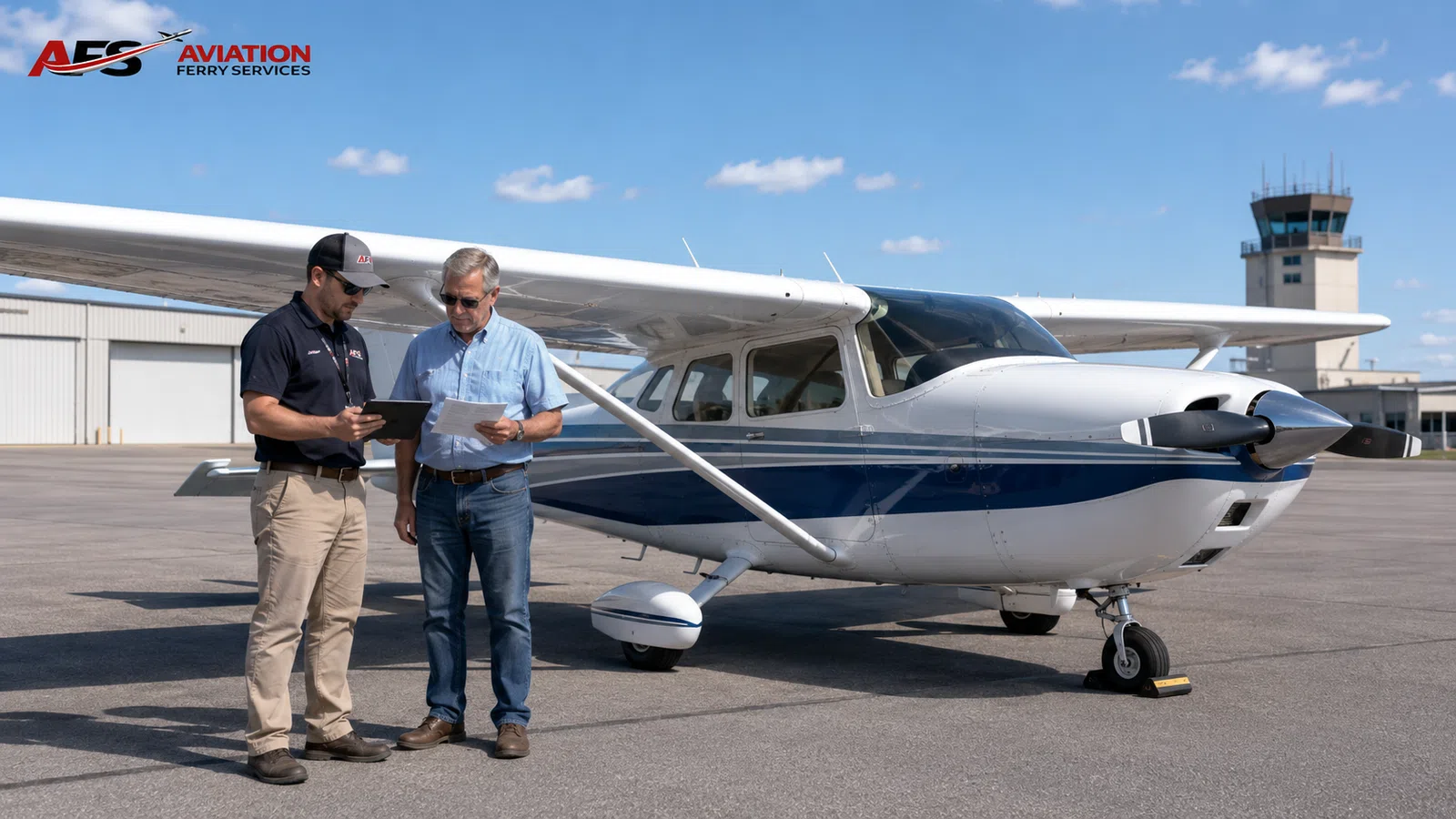
When owner-assist or second-pilot support may make sense
Some aircraft owners want more than a traditional ferry flight. They may want to participate in the movement, gain comfort with a new aircraft, have additional cockpit support for a long route, or make a complex repositioning feel more structured. The right arrangement depends on the aircraft, owner role, insurance, route, timing, and mission purpose.
New owner transition support
A buyer may be moving a new-to-them aircraft home and want support with route planning, automation management, weather decisions, systems familiarity, or cross-country operating habits during the relocation.
Long repositioning assistance
A long domestic or cross-border move may benefit from another qualified pilot involved in planning, communication, fatigue management, cockpit workload, fuel strategy, and practical decision-making.
Structured planning confidence
Owner-assist support can help reduce uncertainty when weather, terrain, unfamiliar airports, aircraft equipment, or insurance requirements make a move feel more complex than a local flight.
The owner’s role should be clear before the flight
Owner-assist requests require more up-front clarity than a normal ferry. AFS needs to understand whether the owner intends to be onboard, participate as a pilot, observe, share duties, or simply wants additional pilot support for the aircraft move. Insurance approval, qualifications, aircraft type, operating limitations, and the mission plan all matter.
When the roles are clear, the planning can focus on the practical flight: route, weather, fuel stops, equipment, cockpit workload, overnight stops, arrival handoff, and what the owner wants to accomplish through the move.
Useful, not intimidating
The goal is not to make a simple move sound difficult. The goal is to determine whether owner participation or second-pilot support adds value, improves organization, and fits the aircraft movement request.
Information that helps define the right support structure
AFS can better evaluate this type of request when the owner’s goals and expected level of participation are clear.
- Aircraft make, model, avionics suite, equipment status, and current location
- Owner pilot certificates, ratings, recent experience, and comfort level if the owner expects to participate
- Insurance requirements for pilot approval, SIC/second-pilot use, or owner participation
- Route length, terrain, weather season, fuel stops, and expected overnight planning
- Whether the aircraft is newly purchased, newly upgraded, unfamiliar, or being moved after maintenance
- Specific owner goals such as confidence-building, systems familiarization, route mentoring, or workload support
- Preferred level of owner involvement during planning, flight legs, and handoff
- Any operational limitations, aircraft quirks, avionics differences, or recent maintenance items to review
Examples of owner-assist requests
Owner-assist and second-pilot support can look different depending on the aircraft and the owner’s objective.
New aircraft pickup
A new owner wants support bringing home a newly purchased aircraft while learning practical cross-country operations and aircraft-specific workflow.
Complex relocation
An owner is relocating an aircraft across mountains, weather regions, busy airspace, overwater segments, or unfamiliar routing and wants additional planning support.
Confidence-focused flight
An owner wants to be involved in the repositioning while gaining confidence with avionics, fuel planning, weather decisions, aircraft performance, or long-leg management.
Want to discuss owner-assist support?
Submit the aircraft, route, owner role, insurance requirements, timing, and what kind of support you are looking for. AFS will review whether the request fits the aircraft movement plan.