
Aircraft movement to and from maintenance, inspection, and shop facilities
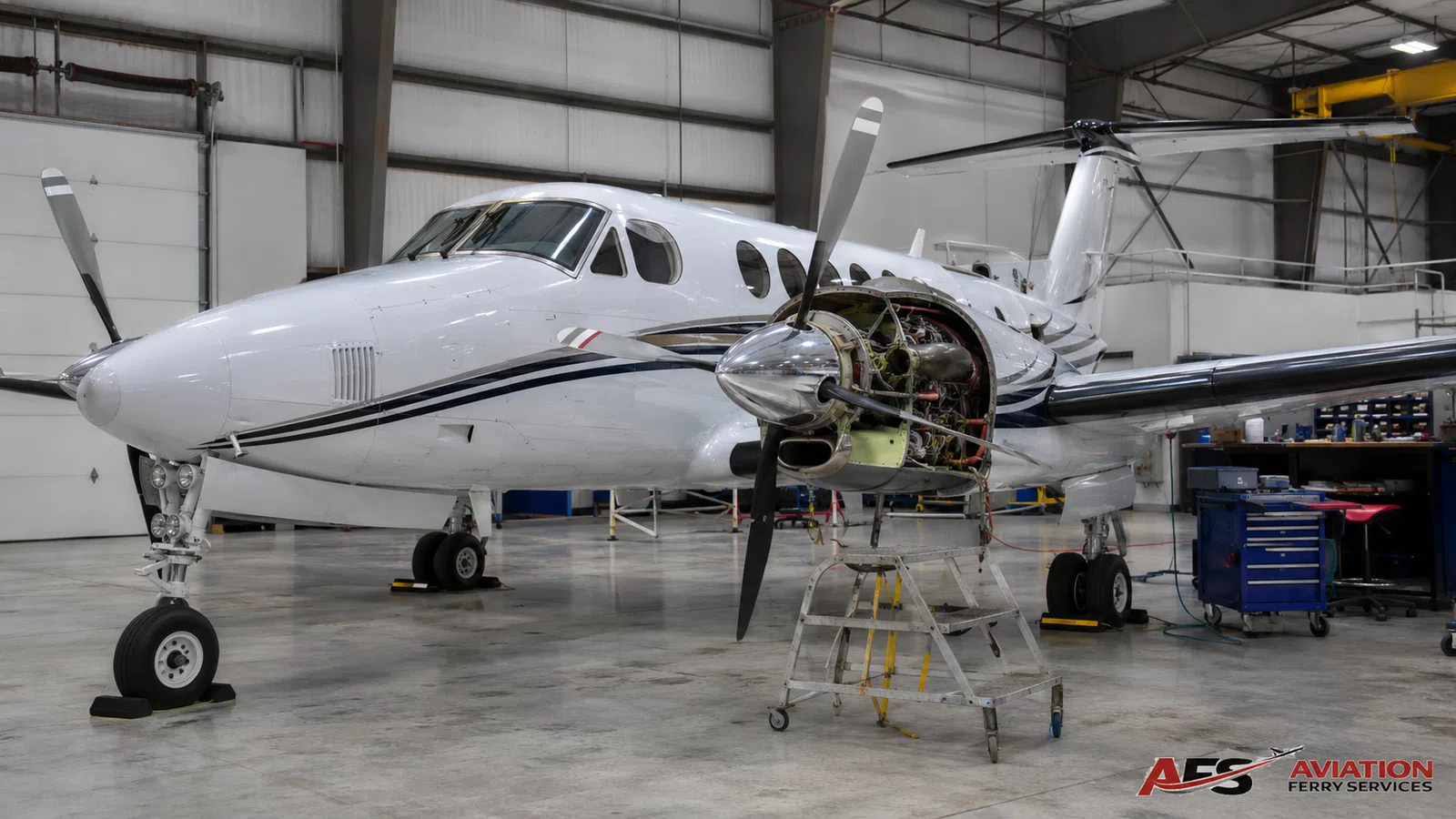
AFS helps review aircraft movement requests connected to maintenance facilities, avionics shops, inspection providers, paint and interior facilities, prebuy locations, repair centers, and post-maintenance return flights. These moves often require careful coordination between the owner, shop, insurer, aircraft records, and destination handoff.
Why maintenance-related moves need more context
A maintenance repositioning request can be straightforward when the aircraft is current, fully released, and ready to fly. It can become more complex when the aircraft has open discrepancies, recent major work, limited operating status, permit considerations, shop scheduling constraints, or insurance approval requirements.
To-maintenance positioning
An aircraft may need to move to a shop for annual inspection, avionics work, paint, interior, engine or propeller work, prebuy, troubleshooting, or specialty support that is not available at the current airport.
Post-maintenance return
After work is complete, return planning may include shop release timing, post-work ground checks, logbook entries, discrepancy status, equipment function, fuel planning, and a destination handoff plan.
Shop and owner alignment
AFS may need clear information from both the owner and shop so that movement timing, aircraft status, access, documents, insurance, and any operating limitations are understood before travel is scheduled.

What makes maintenance repositioning different
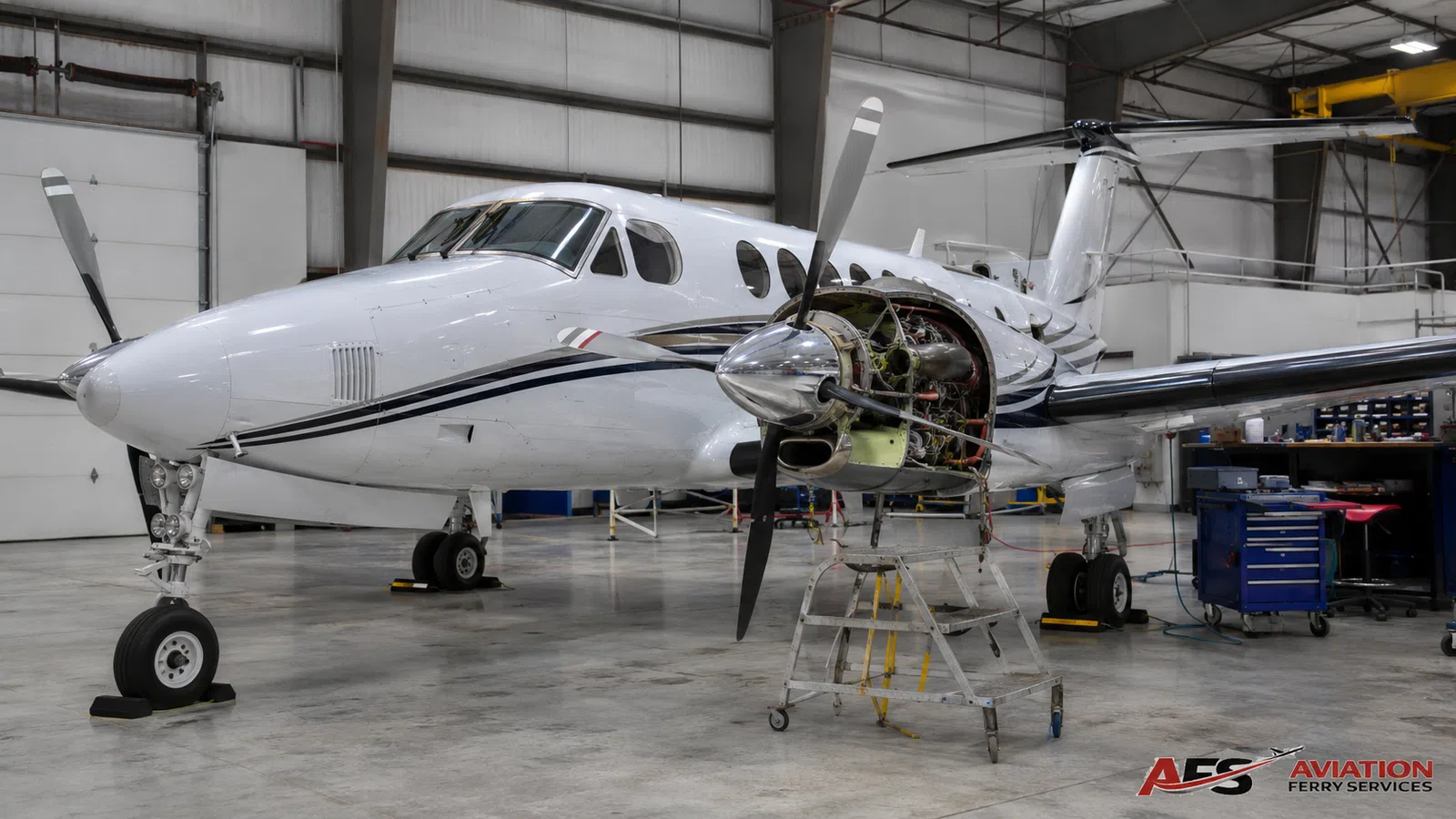
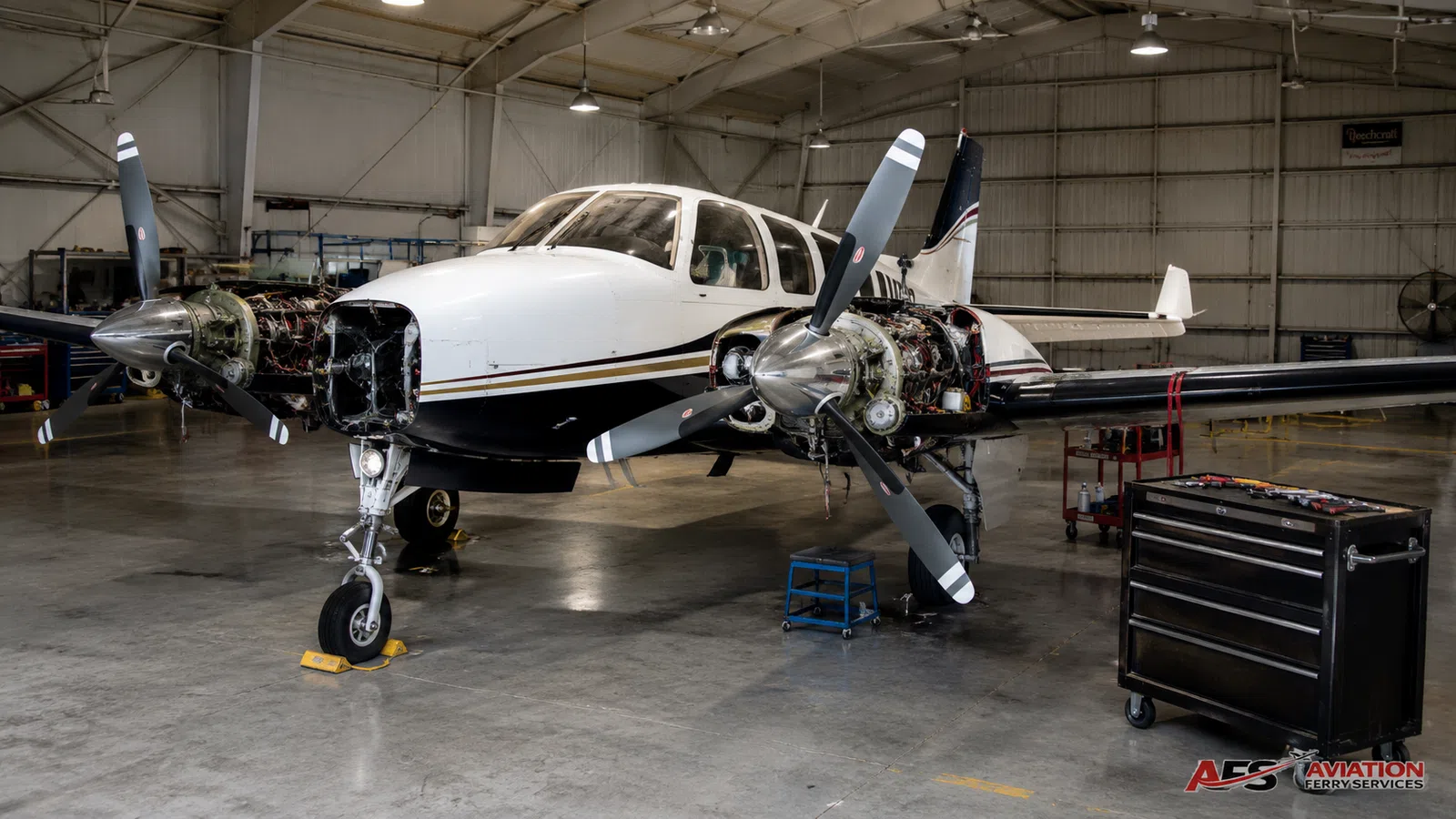
Maintenance-related ferry work is often tied to timing that the aircraft owner does not fully control. Shop capacity, inspection completion, parts delays, logbook entries, return-to-service status, post-maintenance checks, and weather can all affect when a move can happen.
AFS reviews the proposed movement from an operational coordination standpoint. The aircraft owner, maintenance provider, mechanic or inspector, insurer, and appropriate regulatory authority remain the source for aircraft status, required approvals, maintenance release, and airworthiness-related determinations.
Clean information helps avoid false starts
The biggest friction point in maintenance repositioning is often incomplete status information. A quote may be easier to evaluate when the owner or shop can clearly explain what work was completed, what remains open, whether any limitations apply, and who can authorize aircraft release.
Information that helps AFS understand the maintenance move
Not every item below applies to every aircraft, but these are the details that most often determine whether a maintenance repositioning request can move forward efficiently.
- Shop name, airport, point of contact, and current aircraft location
- Whether the aircraft is moving to maintenance or returning after maintenance
- Recent work completed, open discrepancies, deferred items, and known limitations
- Whether logbook entries, release documents, or shop notes are available
- Whether a special flight permit, ferry permit, or other approval discussion is involved
- Insurance requirements, pilot approval process, and any coverage limitations
- Aircraft equipment status including avionics, engine, propeller, landing gear, de-ice, oxygen, or pressurization systems when relevant
- Destination shop, home base, handoff contact, hangar instructions, and preferred delivery window
Common maintenance repositioning scenarios
Maintenance-related moves can range from routine shop positioning to highly detail-sensitive movements after major work. The page is designed to help owners and shops understand what AFS needs to evaluate the request.
Annual or prebuy movement
The aircraft needs to move to or from an inspection location, prebuy provider, buyer-selected shop, or seller’s maintenance facility.
Avionics, paint, or interior work
Specialty work often requires schedule coordination, shop access, equipment status notes, and clear pickup/delivery expectations.
Post-repair return
After engine, propeller, landing gear, pressurization, de-ice, or other significant work, the return plan may require additional attention to documentation and aircraft status.
Ready to review a maintenance repositioning request?
Submit the aircraft, shop contact, aircraft status, route, timing, insurance, documents, and handoff details you have. AFS will review the movement request and ask for any missing information needed for next steps.