
Aircraft ferry handoff guide for pickup and delivery
Aircraft pickup and delivery handoff guide for owners, sellers, brokers, dealers, maintenance shops, and aircraft managers.
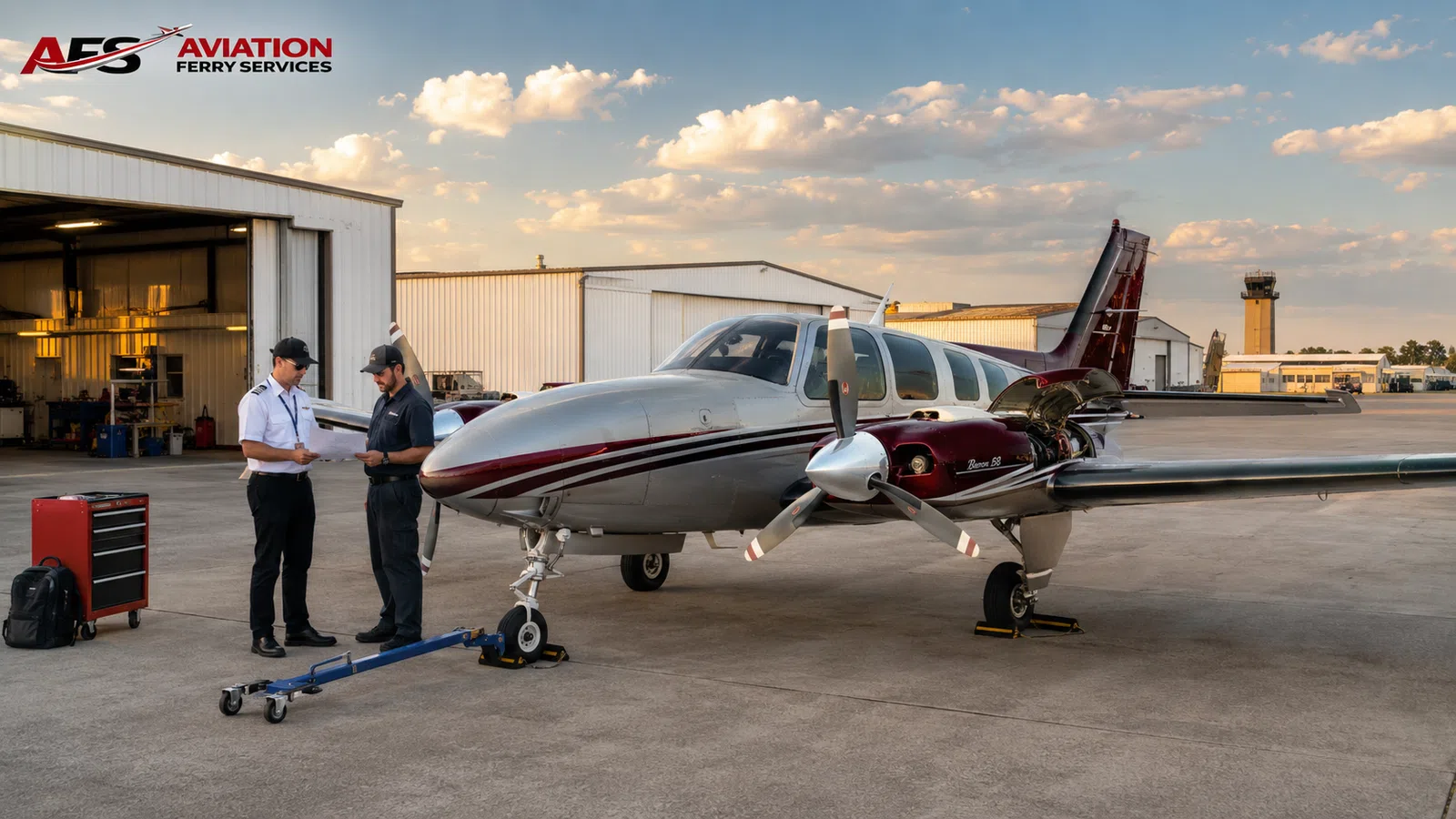
Use this guide before requesting a ferry quote
Better information produces a cleaner review. These points help owners, buyers, brokers, dealers, and shops understand what usually matters before an aircraft is moved.
Before pickup
- Confirm who can release the aircraft and how the pilot will access it.
- Identify where keys, logbooks, aircraft documents, covers, tow bars, oxygen, life vests, or spare equipment are located.
- Confirm current fuel status, battery status, hangar/tie-down instructions, airport access, and any known local procedures.
At delivery
- Confirm the receiving party, parking location, hangar or tie-down instructions, key/logbook handoff, fuel expectation, and any arrival coordination.
- If the aircraft is going to a shop, clarify whether the shop expects the aircraft on the ramp, in a hangar, or under a specific work order.
For brokers and dealers
- Clarify whether the buyer, seller, broker, dealer, or escrow/title-related party is authorized to approve the aircraft movement.
- Do not assume the person arranging the ferry has final authority unless that has been confirmed.
For maintenance shops
- A shop contact should be identified before arrival.
- AFS does not perform maintenance or issue maintenance releases, but shop coordination can help avoid access and readiness problems.
A clean handoff protects the aircraft and the schedule
Many ferry problems happen before departure or after arrival. A clean handoff means the aircraft can be accessed, inspected, documented, secured, and released without confusion. It also gives the receiving party clear expectations about fuel, parking, keys, logs, and condition notes.
Pickup clarity
Confirm where the aircraft is parked, who controls access, whether the pilot needs a gate code, where logs and keys are located, and who can answer aircraft-status questions on site.
Arrival clarity
Confirm where the aircraft should be parked, whether it needs fuel, hangar, tie-down, detailing, shop intake, broker handoff, or owner pickup, and who should receive the keys and documents.
Condition clarity
Photos, fuel status, Hobbs/Tach, panel indications, exterior notes, squawks, and post-flight observations can reduce confusion between seller, buyer, owner, shop, and receiving party.
Handoff details to clarify
- Authorized release and receiving contacts
- Aircraft parking, hangar, gate, and key instructions
- Logbook, document, and equipment location
- Fuel expectations at pickup and delivery
- Known squawks or inspection notes
- After-hours access and emergency contact procedures
The final impression matters
A ferry service is not only judged by the flight. It is judged by whether the aircraft arrives secure, the owner knows what happened, the receiving party knows what to expect, and the documentation trail is clear enough that no one is guessing afterward.
Ready to move from research to review?
Use the quote form when you have the aircraft, route, timing, status, and handoff details ready. Use Contact if you have a general question first.
Need help preparing the details?
Start with the checklist, then submit what you have. AFS can identify missing items during follow-up.