
Domestic aircraft ferry and repositioning within the United States
Domestic aircraft movement may sound simple, but aircraft range, weather regions, terrain, fuel stops, insurance, aircraft status, pilot logistics, and airport access can still make each mission unique.
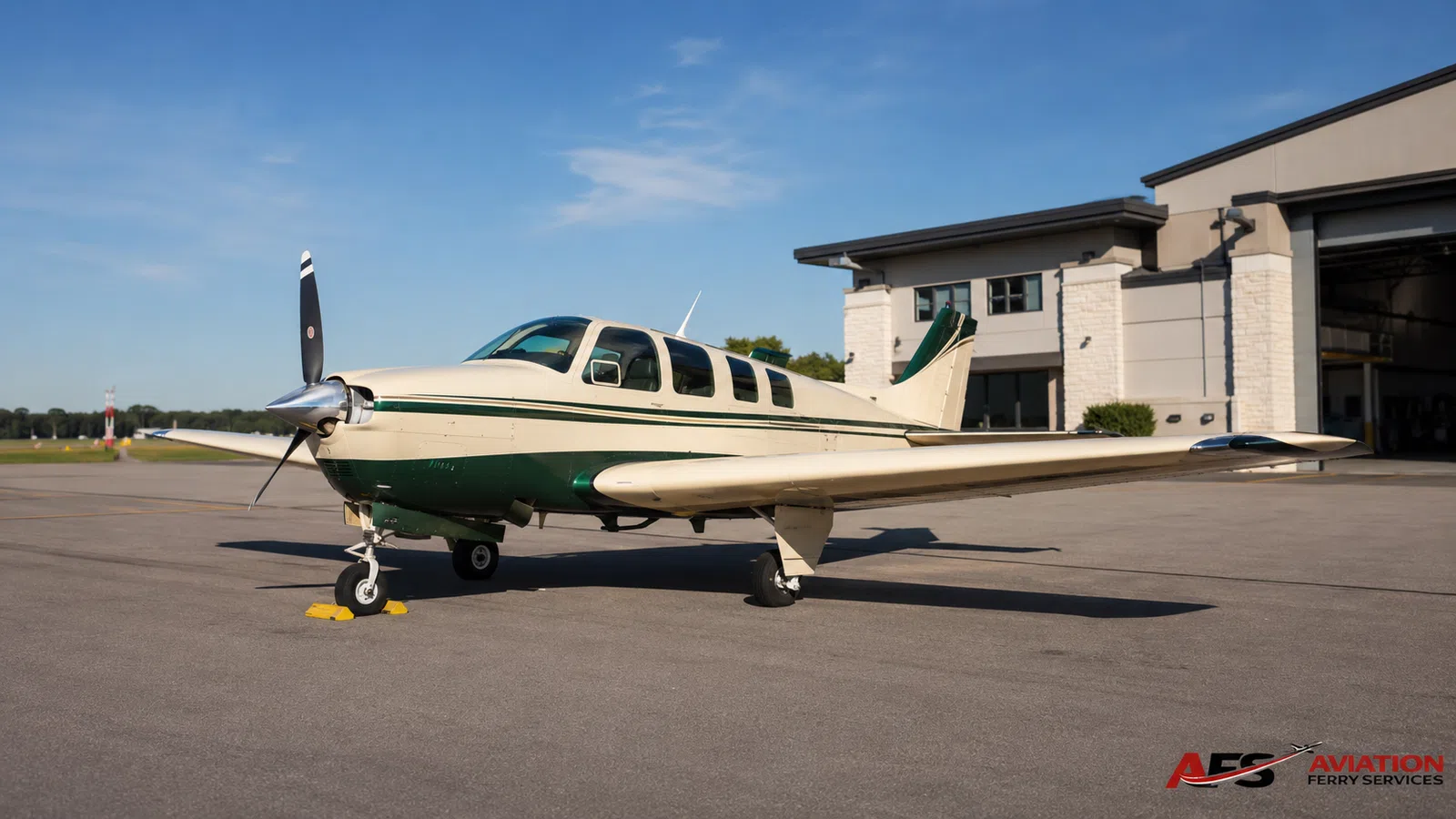
Common reasons aircraft move within the United States
Domestic aircraft ferry requests often look simple at first: one airport to another. The underlying reason for the move determines what information is needed, who needs to be involved, and how the handoff should be planned.
Post-purchase delivery
Aircraft moving from a seller, broker, dealer, factory, or prebuy facility to the new owner’s selected airport after closing or acceptance.
Owner relocation
Aircraft moving to a new home base, seasonal location, storage facility, management location, or hangar arrangement.
Maintenance or inspection positioning
Aircraft moving to or from an avionics shop, maintenance facility, annual inspection, paint/interior shop, prebuy inspection, or repair location.
What can make one domestic ferry different from another
AFS evaluates domestic missions around the real operating picture rather than assuming every U.S. route is routine.
Weather regions
A domestic ferry may cross winter icing areas, convective regions, coastal marine layers, mountain wave zones, desert heat, or changing seasonal systems. Timing flexibility often matters more than raw distance.
Terrain and airport suitability
Mountainous routes, high-density-altitude airports, short runways, remote fuel stops, and unfamiliar arrival airports can affect routing, fuel planning, alternates, and pilot selection.
Aircraft performance and equipment
Cruise speed, fuel capacity, avionics, autopilot status, oxygen, de-ice capability, engine type, and aircraft condition influence how practical a route is and how many stops may be needed.
Pilot and travel logistics
Domestic missions still require pilot positioning, airline travel, ground transportation, lodging, weather holds, and coordination at both ends. Those logistics affect cost and scheduling.
Pickup and delivery handoff
Keys, logs, fuel, hangar access, ramp fees, FBO preferences, seller/shop contacts, and receiving-party availability can be as important as the flight route itself.
Aircraft readiness
Aircraft that have been inactive, recently purchased, recently maintained, or located at a shop may require additional status review before ordinary route planning can begin.
A short domestic route can still require careful coordination
A 300-mile repositioning may be simple if the aircraft is current, insured, fueled, accessible, and ready on a flexible schedule. The same distance can become more complex if the aircraft is at a maintenance shop, the owner is remote, weather is marginal, insurance requires pilot approval, or the receiving airport has limited hours or services.
That is why AFS asks about aircraft status, timing, and handoff details early. The objective is not to complicate the move; it is to prevent last-minute surprises that cost the client time and money.
What to prepare for domestic requests
- Exact pickup airport or facility
- Destination airport or receiving contact
- Timing window and deadline flexibility
- Aircraft status and recent flight history
- Insurance and named-pilot requirements
- Fuel, keys, logs, access, and ramp/hangar instructions
This page focuses on U.S. route planning, not just general relocation
Use Aircraft Relocation & Repositioning for the service category. Use this page to understand domestic route, weather, airport, logistics, and U.S.-based movement considerations.
Helpful links
For quote preparation, use the quote guide. For pricing logic, use the cost guide. For aircraft status and records, use Insurance & Documentation.
Need a domestic aircraft ferry quote?
Submit the aircraft, route, timing, aircraft status, insurance, and handoff details so AFS can evaluate the mission.