
Tell us what you fly, where it is, and where it needs to go
AFS may review ferry, delivery, relocation, and repositioning requests for a wide range of owner-authorized aircraft. The goal is not to make the process feel complicated; it is to collect the right details early so AFS can determine the most practical path forward.
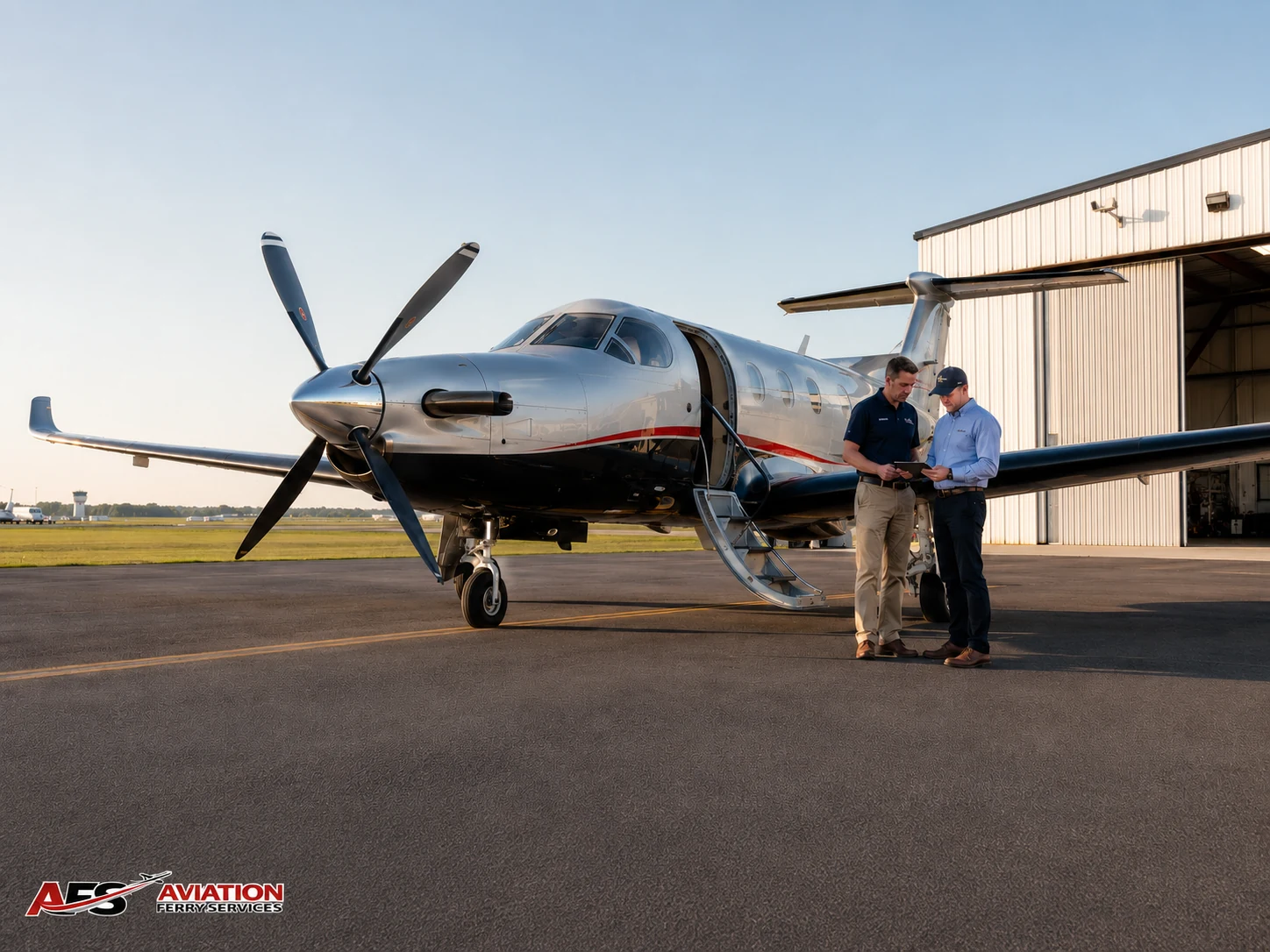
Aircraft categories AFS may review for ferry or repositioning support
Use these categories as a starting point. AFS does not need every answer before you make contact, but the more context you provide, the faster the aircraft can be routed into the right review path.
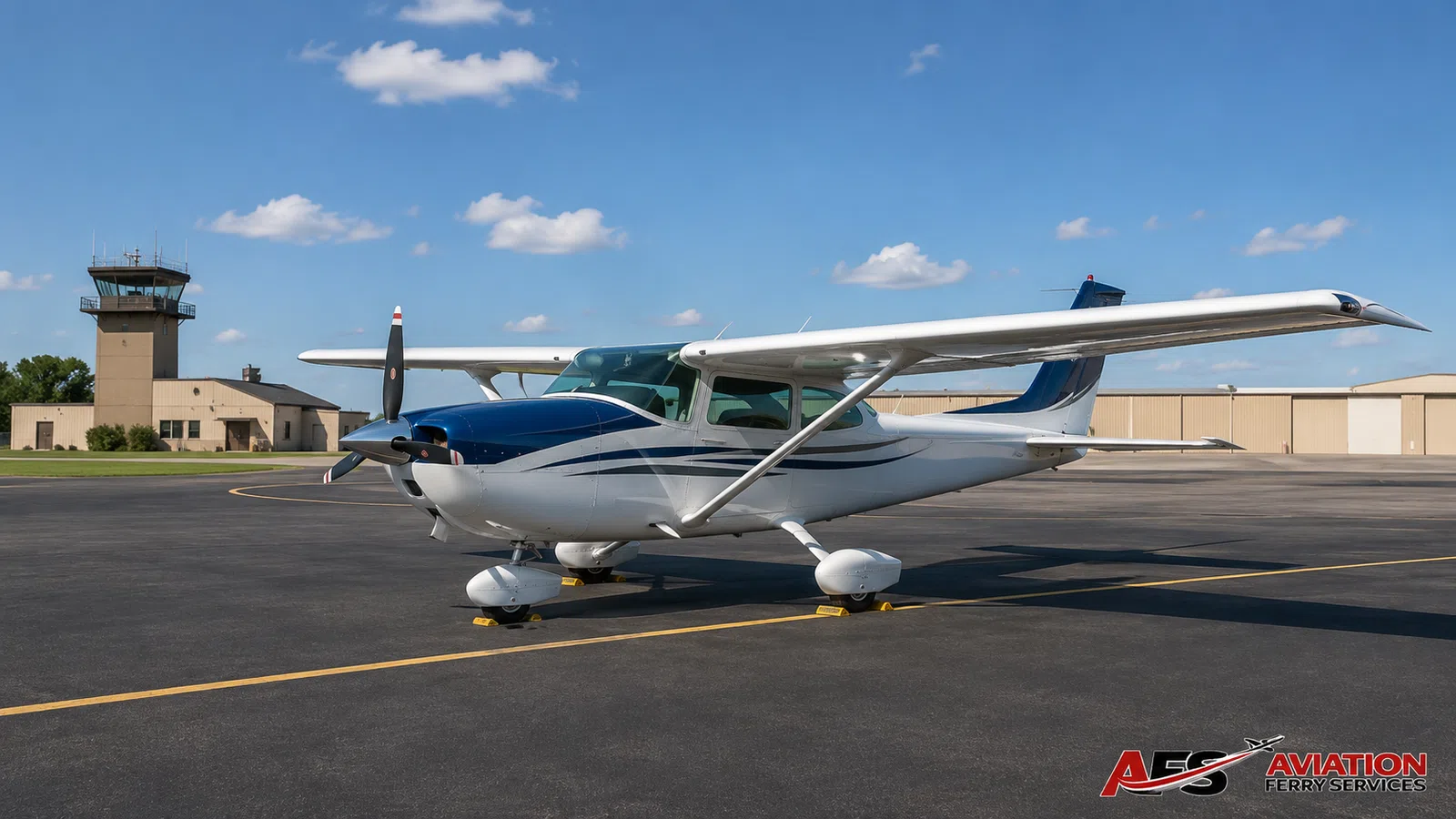
Single-engine piston aircraft
Common for post-purchase delivery, owner relocation, seasonal moves, and maintenance repositioning. Share the aircraft status, route, and timing, and AFS can help identify the practical next step.
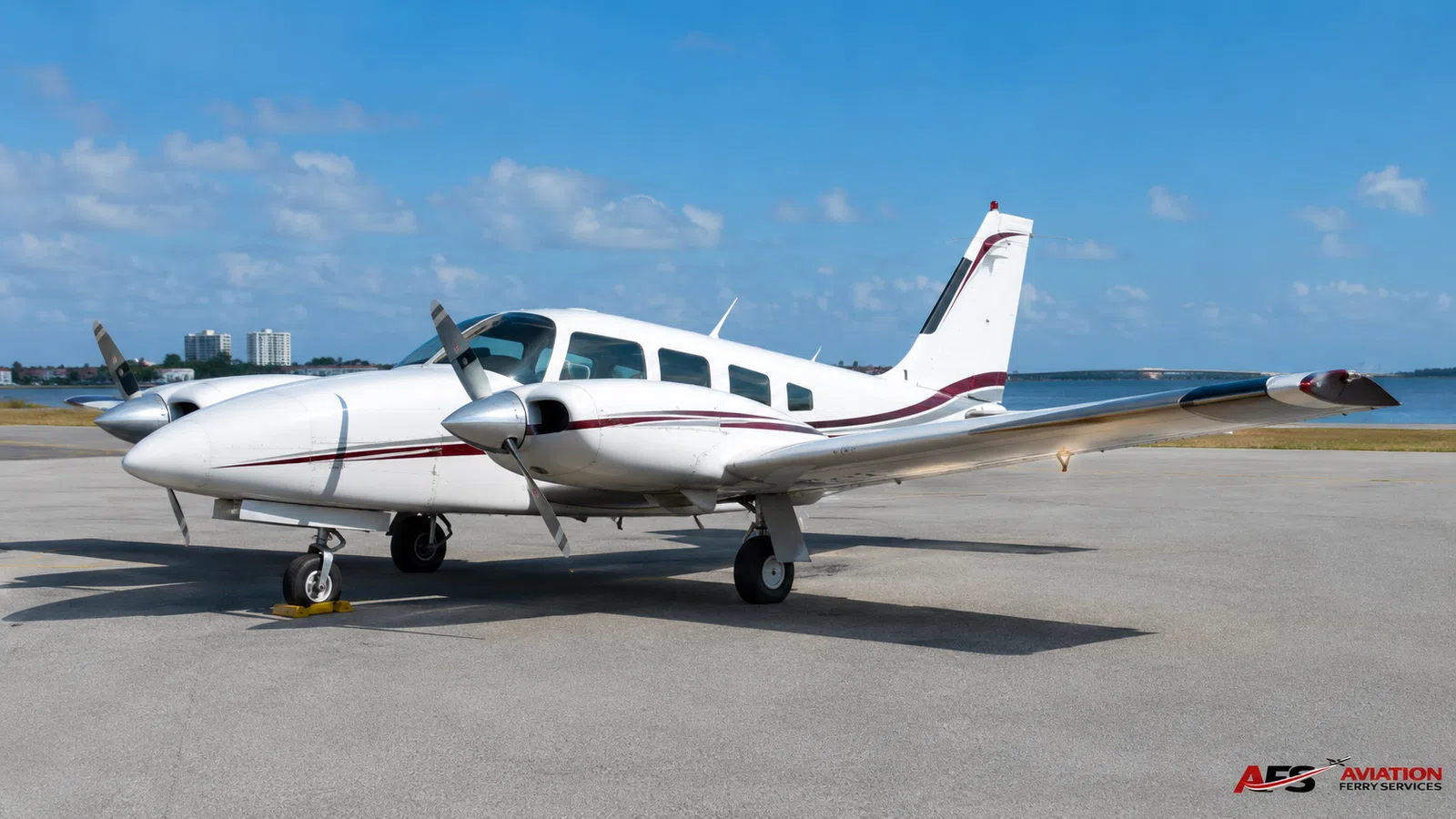
Multi-engine piston aircraft
A strong fit for many owner, buyer, seller, and broker delivery needs. AFS looks at the aircraft, route, and insurance path so the movement can be approached with the right pilot profile and planning assumptions.

Turboprop aircraft
Often used for longer routes, managed aircraft, business aircraft, and more formal handoff requirements. Early details about aircraft equipment, crew expectations, and insurance requirements help shape the quote review.
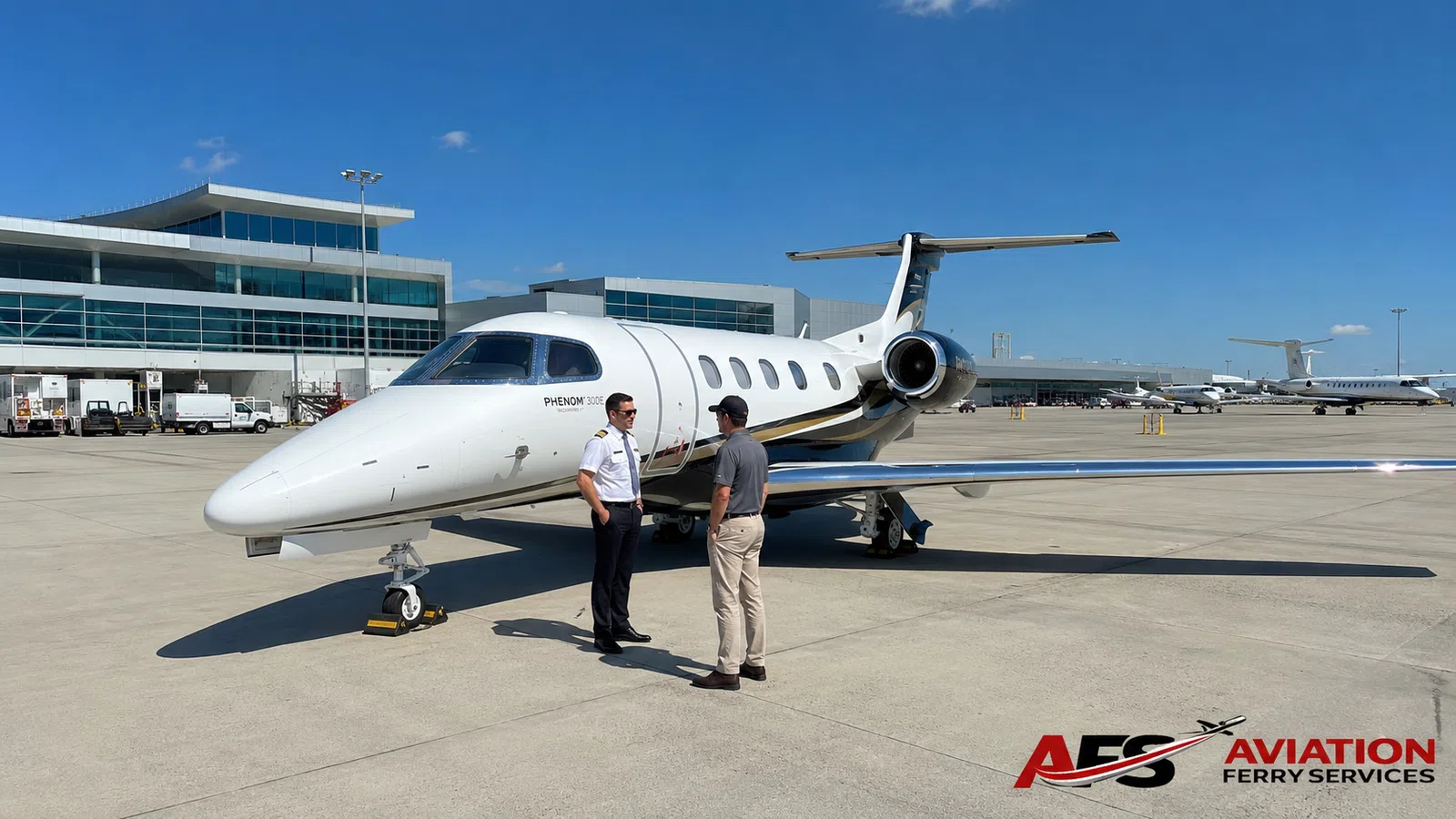
Light jet aircraft
Selected light-jet repositioning or delivery requests may be reviewed when the mission is clearly owner-authorized and not passenger charter. Type rating, insurance, crew, route, and airport details are handled during the review.
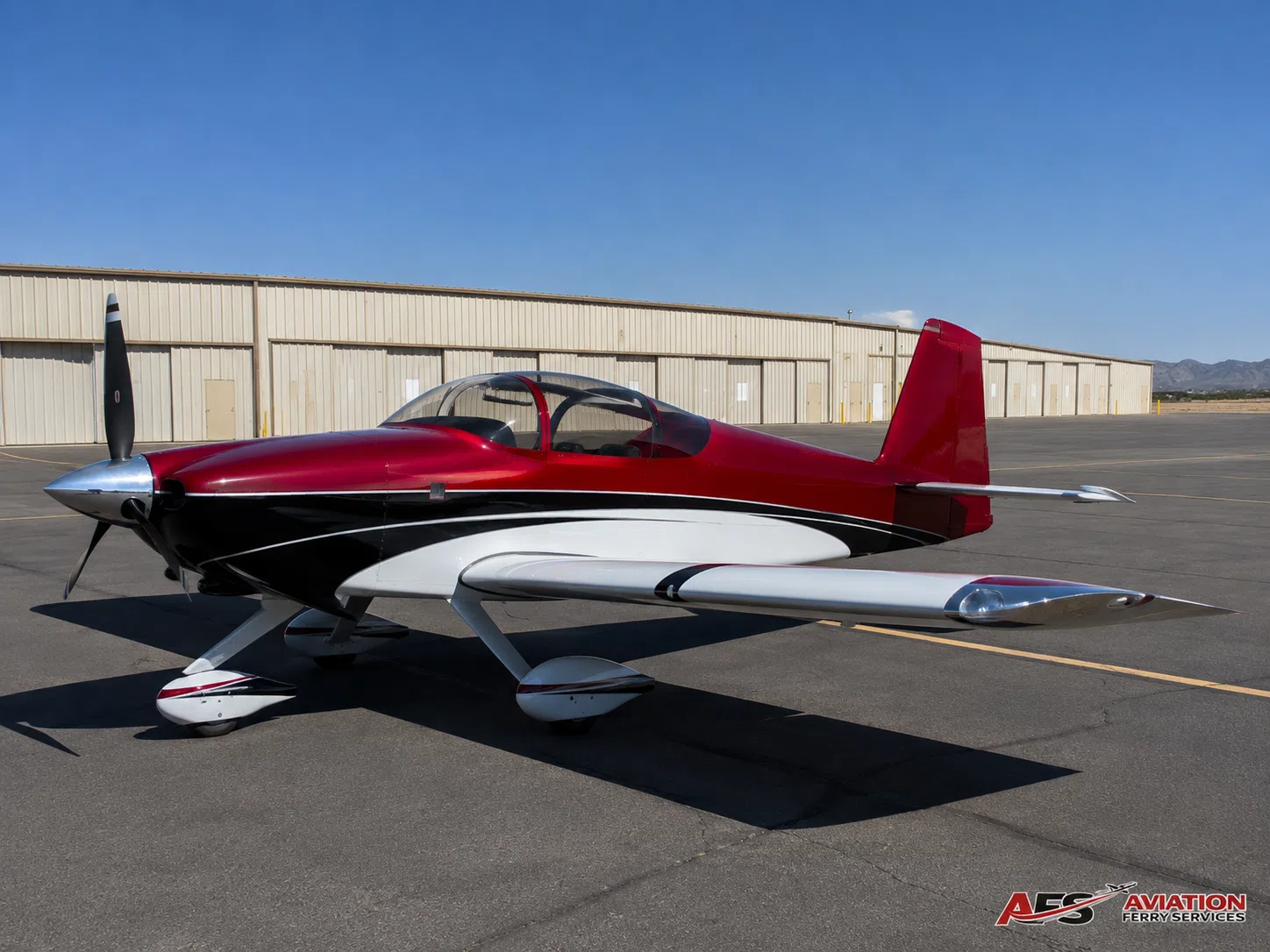
Experimental / amateur-built aircraft
Some experimental aircraft may be reviewed when documentation, operating limitations, phase status, insurance, aircraft condition, and pilot fit are clear enough to evaluate responsibly.

Specialty or unique aircraft
If your aircraft does not fit a standard category, still send the details. Age, equipment, range, recent activity, documentation, and insurance requirements may simply mean the request needs a more tailored review.
Aircraft type matters, but it is not meant to be a barrier
Most aircraft movement questions start with a simple question: “Can you move this aircraft?” AFS answers that by looking at the aircraft, the mission, the route, the timing, and the handoff—not by rejecting aircraft based on a broad category label.
Some aircraft need a more detailed review because of insurance, equipment, pilot qualification, maintenance status, or route considerations. That does not automatically mean the request is a poor fit; it just means AFS needs the right information before quoting.
Information to include
Include make/model, registration if known, current location, destination, desired timing, recent flight history, inspection status, known squawks, insurance requirements, and any seller, broker, shop, or handoff contacts.
No single item automatically makes a request good or bad. The complete picture is what matters.
Small details can change routing, timing, or pilot fit
These details are normal in aircraft delivery work. They help AFS ask smarter questions and avoid surprises later.
Range and fuel stops
Aircraft endurance, usable fuel, winds, reserves, and fuel availability can shape the route more than straight-line distance.
Recent activity
An aircraft that flies regularly may be easier to evaluate than one coming out of storage, maintenance, or a long inactive period.
Insurance approval
Some policies require a named pilot, minimum experience, or advance approval. Knowing that early helps avoid delays.
Handoff logistics
Keys, access, fuel status, parking, shop release, seller availability, and destination instructions all affect execution.
Want to know whether AFS can review your aircraft?
Submit the aircraft and mission details. AFS will identify what information is still needed and whether the request can move toward a quote.