
Aircraft relocation and repositioning for planned aircraft moves
AFS supports aircraft owners and aviation professionals when an aircraft needs to move between bases, storage locations, seasonal airports, inspection points, shops, sale locations, or other approved destinations. Each move is planned around the aircraft, route, timing, access, and handoff requirements.
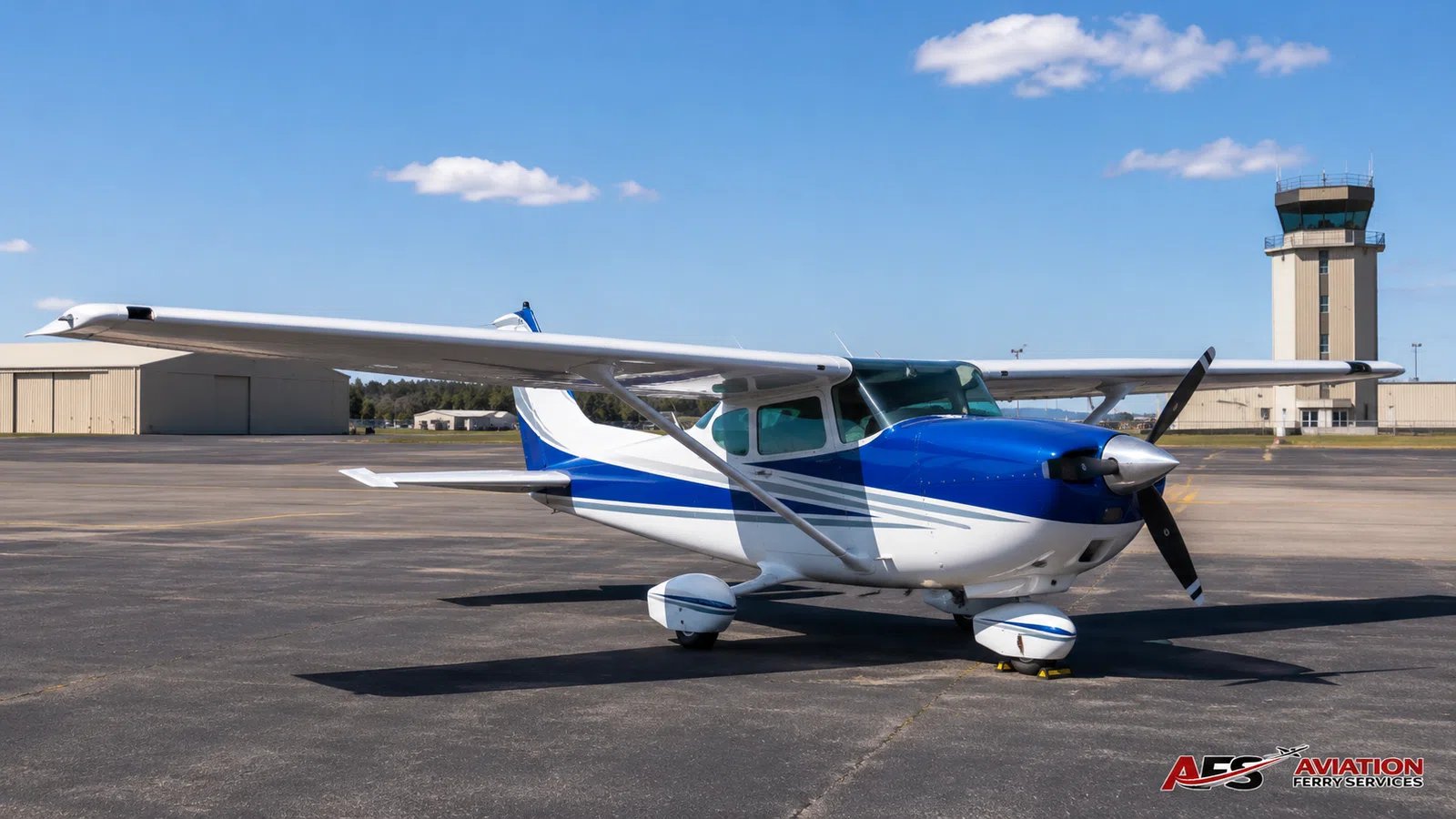
When aircraft relocation support is useful
Relocation and repositioning requests can be simple, but they often still involve more than distance. Weather, aircraft readiness, fuel range, pilot fit, insurance approval, access logistics, and destination coordination can all affect the plan.
New home base or seasonal move
Owners may need an aircraft moved to a new hangar, a warmer-weather base, a summer location, or a different operating region. These moves often benefit from flexible timing and clear destination handoff instructions.
Storage, sale, or inspection positioning
Aircraft may need repositioned for storage, photography, prebuy inspection, aircraft listing, buyer viewing, or operational access. Timing may depend on shop availability, airport hours, or broker coordination.
Movement after downtime
If an aircraft has not flown recently, the planning conversation may include recent maintenance, battery status, fuel quality, annual or inspection timing, tire/brake condition, avionics function, and whether a local ground check or shop input is needed before departure.
Why two similar relocations can be very different
Two aircraft may be moving the same distance but require very different plans. A hangared aircraft with current records, recent flight time, simple terrain, and flexible timing is different from an aircraft crossing mountains, moving ahead of weather, departing a busy metro airport, or arriving at a destination with limited fuel, hangar, or ground-support options.
AFS looks at the aircraft and route together, then considers how the timing, fuel stops, terrain, weather, airport suitability, and handoff details should be handled.
Good relocation planning prevents avoidable friction
Clear pickup instructions, fuel status, documents, access permissions, destination contact details, and weather flexibility can keep a straightforward relocation from becoming a scheduling problem.
Details that shape an aircraft repositioning plan
AFS can usually evaluate a relocation request more efficiently when the practical movement details are available early.
- Aircraft location, airport, hangar or ramp access, and key availability
- Destination airport, preferred handoff point, and who will receive the aircraft
- Fuel range, cruise speed, equipment status, oxygen or de-ice capability if relevant
- Weather season, terrain, mountain routing, coastal routing, or high-density-altitude considerations
- Recent flight history and whether the aircraft has been inactive
- Insurance requirements and any named-pilot or approval process
- Parking, landing, handling, fuel, or hangar arrangements at pickup and destination
- Schedule flexibility if weather or aircraft readiness affects departure timing
Common relocation situations AFS can evaluate
Relocation support can apply to many normal ownership and aircraft-management situations. The key is understanding the real reason for the move and what needs to happen before the aircraft is ready to depart.
Owner moving bases
An owner changes home airport or relocates to another state and needs the aircraft delivered to a new hangar or operating location with a clean handoff.
Seasonal positioning
An aircraft moves south for winter, north for summer, or to a seasonal destination where weather timing, storage, and arrival coordination matter.
Sale or shop positioning
An aircraft is moved for listing, photography, prebuy inspection, maintenance access, avionics work, paint/interior scheduling, or post-work return.
Ready to review a relocation request?
Send the aircraft, current location, destination, timing, aircraft status, access instructions, and handoff details. AFS will use that information to understand the move and identify next-step questions.