
Qualified ferry pilots for aircraft movement missions
AFS is built around careful aircraft movement, professional communication, and structured mission records. Pilot opportunities are reviewed case by case based on certificate privileges, aircraft experience, insurance requirements, operational judgment, documentation discipline, and the specific aircraft being moved.
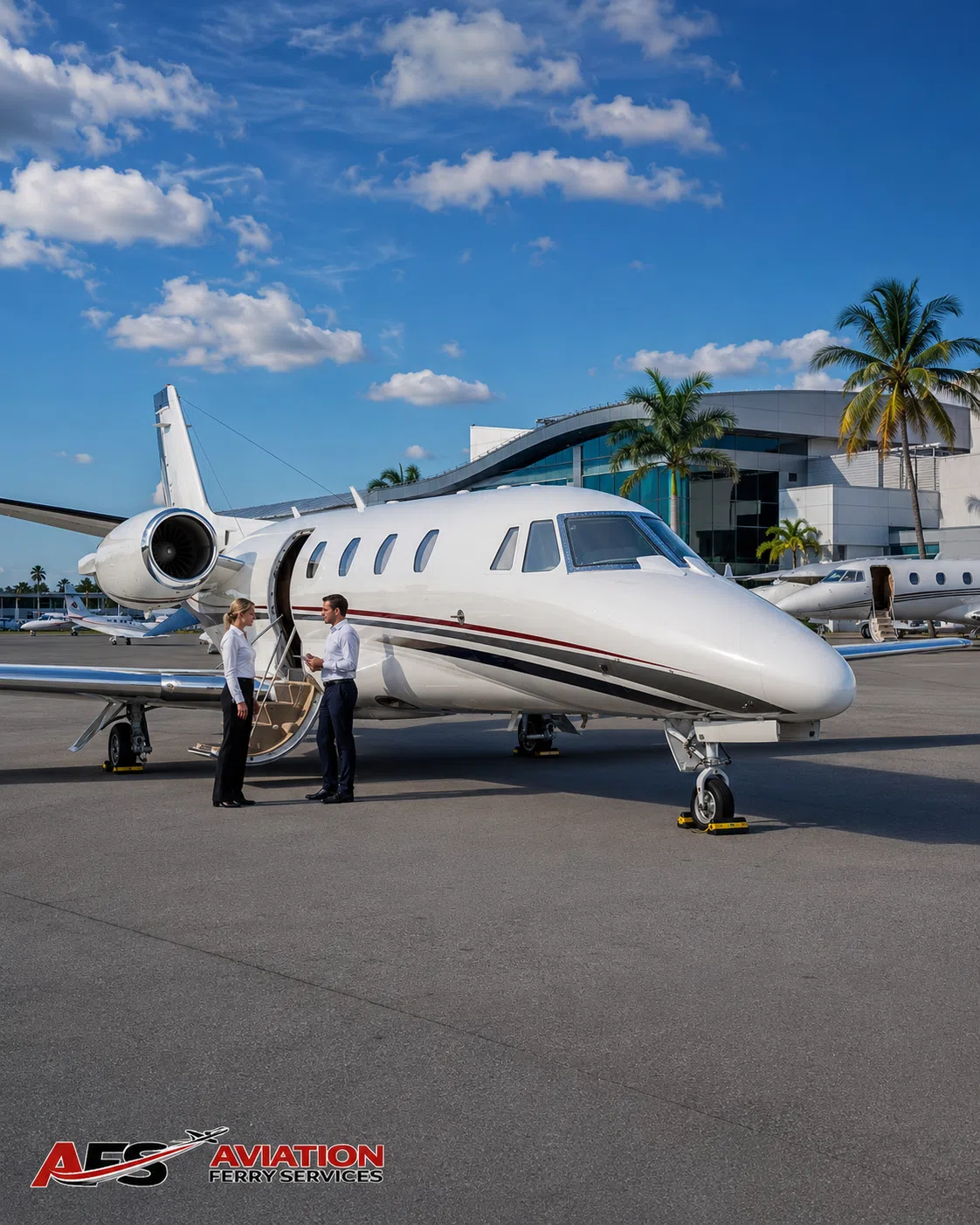
This is not a time-building shortcut
Aircraft ferry work can look simple from the outside: pick up the airplane, fly it somewhere else, hand it off. In reality, the work may involve unfamiliar aircraft, owners who care deeply about their investment, weather and route judgment, insurance approval, maintenance questions, airport logistics, and client-facing communication.
AFS is looking for pilots who treat ferry work like professional aircraft stewardship, not casual flying.
Conservative judgment
AFS needs pilots who will slow down, ask questions, and protect the aircraft and mission when the facts do not support movement.
Professional communication
Clients need useful updates, not vague check-ins. Pilot notes, photos, aircraft observations, delay explanations, and handoff details should be clear and timely.
Aircraft-care mindset
A ferry pilot is being trusted with a valuable asset. The expected standard is careful aircraft handling, clean cockpit discipline, and respect for owner instructions.
Documentation discipline
Mission records, expense documentation, aircraft status notes, route updates, and closeout details need to be organized enough to support the client record.
Minimum expectations before any aircraft-specific review
AFS cannot use one fixed flight-time number for every mission. The pilot needed for a Cessna 172 repositioning is not the same pilot needed for a pressurized twin, turboprop, jet, cross-border movement, or permit-sensitive ferry. These baseline expectations apply before aircraft-specific and insurer-specific requirements are considered.
Baseline pilot expectations
- Commercial Pilot Certificate or ATP, with the correct category, class, ratings, endorsements, and privileges for the assigned aircraft and mission.
- Current medical certificate and currency appropriate to the mission, aircraft, airspace, weather, and operating environment.
- Instrument rating strongly preferred and generally expected for most cross-country, relocation, delivery, and weather-exposed missions.
- Documented experience in the aircraft type, class, category, avionics environment, or a closely comparable aircraft profile.
- Ability to satisfy owner, insurer, named-pilot, open-pilot, aircraft-specific, or mission-specific approval requirements before dispatch.
- Clean, professional operating history subject to case-by-case review, including accidents, incidents, enforcement history, training failures, and insurance concerns.
- Reliable availability, professional references when requested, and willingness to use the AFS portal/update workflow for mission records.
- No expectation of movement when aircraft status, documentation, weather, insurance, pilot fit, or operational facts do not support safe completion.
Mission type drives pilot requirements
The examples below are screening guidelines, not automatic hiring rules. AFS may require more experience, recent time, model-specific experience, insurance approval, owner approval, or additional documentation depending on the aircraft and mission.
Piston single-engine missions
Typical candidates may have 500+ hours total time, meaningful cross-country experience, strong aircraft handling, current instrument proficiency when applicable, and experience in the specific model or comparable piston singles.
Complex, high-performance, tailwheel, or technically equipped aircraft
Candidates may need 750–1,000+ hours total time, relevant endorsements, recent cross-country experience, avionics familiarity, and demonstrated experience in comparable aircraft before review.
Multi-engine piston missions
Candidates may need 1,000+ hours total time, substantial multi-engine experience, recent instrument proficiency, systems knowledge, and insurer-acceptable experience in the aircraft or comparable twins.
Pressurized, turboprop, turbine, or jet missions
Candidates generally need substantially higher total time, recent relevant experience, high-altitude or turbine background as applicable, type rating when required, and insurer/client approval before assignment.
International, overwater, mountain, or permit-sensitive missions
Candidates may need prior experience with international procedures, overwater planning, survival equipment, customs coordination, high-terrain routing, or special documentation workflows.
Owner-assist or second-pilot situations
Candidates must be especially strong communicators because the mission may involve owner expectations, coaching boundaries, cockpit resource management, and clear separation from passenger or training-service assumptions.
Pilots are part of the client visibility system
AFS uses portal-based mission records so clients are not left guessing where their aircraft is in the process. Pilots may be expected to provide timely, useful updates that help AFS document the aircraft movement from pickup through handoff.
This does not replace direct communication when judgment, safety, or a client decision requires a call. It creates a cleaner mission record for everyone involved.
Typical pilot update responsibilities
- Review assigned mission details, aircraft information, route assumptions, handoff instructions, and open items before travel or dispatch.
- Document aircraft arrival, aircraft condition observations, preflight readiness, photos when appropriate, and any issue that affects the mission.
- Post meaningful stage updates such as dispatched, arrived at aircraft, preflight complete, delayed, departed, fuel stop, destination arrival, handoff, and closeout.
- Keep expense records, route notes, handoff details, and client-relevant information clean enough for AFS to maintain the mission file.
What to include in a pilot opportunity inquiry
Use the dedicated pilot application form and include enough information for AFS to understand where you may fit before any mission-specific discussion.
Pilot qualifications
Include certificate level, ratings, endorsements, medical status, total time, cross-country time, instrument experience, multi-engine time, turbine time, type ratings, and any relevant instructor/check airman experience.
Aircraft experience
List aircraft you are comfortable operating, recent aircraft types, make/model experience, avionics familiarity, pressurized/turbine/jet background, tailwheel or seaplane experience, and any aircraft you would not accept.
Operational fit
Share home airport, travel flexibility, availability windows, international experience, overwater or mountain experience, references, insurance history, and your comfort level with portal-based updates and client communication.
Important note
This page is informational only. Submitting interest does not guarantee acceptance, dispatch, work volume, compensation, pilot assignment, employment, independent contractor status, or any specific aircraft opportunity. Any pilot relationship, assignment, compensation, documentation requirement, and operating expectation must be reviewed and accepted separately in writing.
Interested in flying ferry missions with AFS?
Use the dedicated pilot application form to submit qualifications, aircraft experience, availability, resume or qualification summary, and the types of missions you are qualified to review.